Learning from Africa to long for the future – some lessons from startups in Kigali

Learning from Africa to long for the future – some lessons from startups in Kigali

Learning from Africa to long for the future – some lessons from startups in Kigali

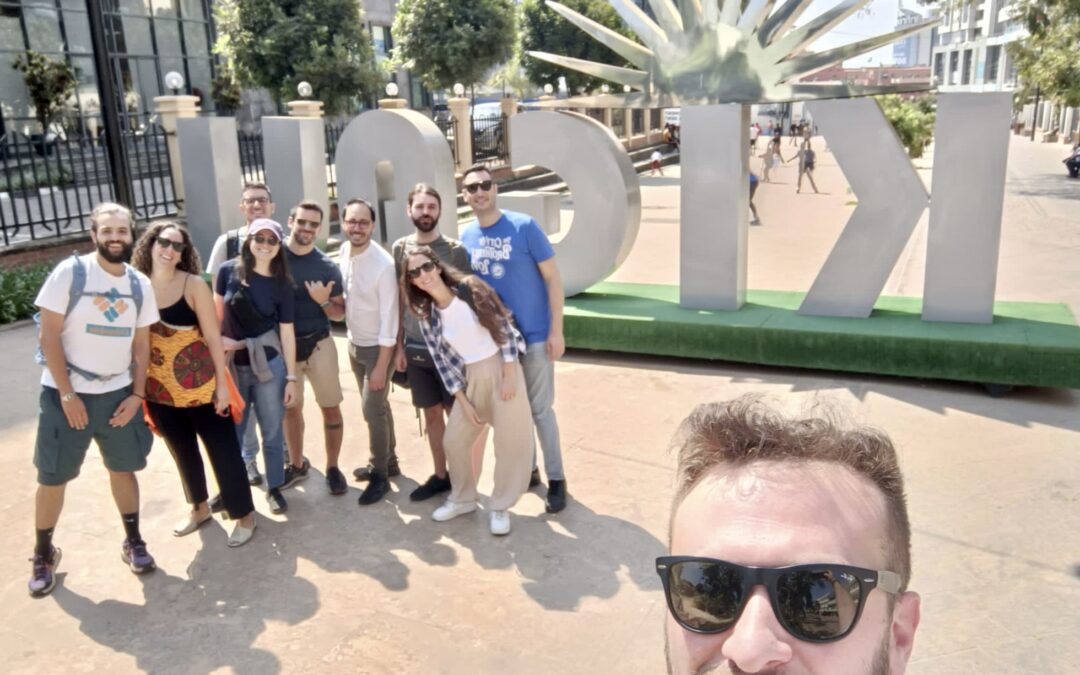
It’s early August, and we’ve just landed in Kigali, Rwanda, to kick off the Next Generation Africa 2023 bootcamp. An intense week of meetings, mentorship, and debate awaits us with some of the most promising startups from East Africa that have applied in large numbers to participate in this year’s programme.

We arrive early in the morning when the air is still fresh but already taking on the warm, brick color of the earth. In Kigali, when you enter the city, there’s one thing you notice right away.

The streets are constantly buzzing with fiery red motorcycles that zip through traffic and offer rides at a good price to anyone by the roadside. They’re called motós here, and they’re perhaps one of the most representative images of a country in motion like Rwanda, seeking its own space in the Africa of innovation. It doesn’t take us long to get carried away by this energy, and just a few hours later, we too are aboard the motós, touring around. 

The market, the memorial of the terrible 1994 genocide, the downtown streets: we move with the wind in our faces and begin to map out the geography of the city. Alongside a vague geographical map, each of us begins to silently trace a very personal but precise sentimental map, born from the first encounters with the faces, colors, and smells that inhabit every place we reach.

As we get to know the city that welcomes us, we also get to know each other as volunteers, many for the first time.

 I wonder what drove each of us—with our different stories—to come here, to Kigali, in the middle of summer, to work alongside entrepreneurs so far from our country. Looking closer, I realize that we are indeed strangers to each other, but we all have something in common. I would say it’s a question – we’re looking for something. You can tell by the way we look around, how we talk to each other, and the stories we tell. And we probably believe that here, 5,185 km from Italy, this something can be found.


We begin on Monday. We are in a place that is vying to become a hub for all of East Africa’s innovation, the beautiful spaces of Norrsken in Kigali, just a few steps away on foot from the hotel where we spend the night.

There are some things that strike me about these entrepreneurs, listening to them for the first time. They are all elements that will emerge more and more strongly during the week we will spend together. I’ll try to summarize them here:

  • They know the problems they are trying to solve very well. Almost all the entrepreneurs we listened to started from a firsthand experience of the problem. Detailed knowledge of the real needs of users helps them to really start in a lean way, leading them almost naturally to optimize the resources available to quickly create a real and functioning product or service, to be made available to users—and thus solve their problem. Afia Pharma was founded by Papy Biganza precisely to respond to a serious lack of the Rwandan health system: it was 2019 when Papy’s grandfather lost his life because he could not receive adequate care and medication, living in a rural area of the country. After that experience, Papy decided to found his startup: an e-commerce platform for drugs, specialized in last-mile delivery, and equipped with a system to effectively support patients in adhering to therapy.
  • There is no enterprise that is not also socially and environmentally impactful. Out of the 24 pitches we heard, at least twenty explicitly explained how the startup would contribute to achieving one or more Sustainable Development Goals (SDGs). Or at least they described what social and environmental impact they would have. In short, it is really difficult to find a startup here that is not natively and intrinsically ESG impactful. One example above all is Ecoplastile: founded by Franc Kamugyisha, Ecoplastile produces roof tiles and other building materials from recycled plastic. However, the heart of the startup is not the production of such materials, nor the simple recycling of plastic: Ecoplastile is a real platform that allows all those without stable employment to become “informal recyclers” of plastic and be paid for it. In some ways, it is the virtuous synthesis between the gig economy, environmental impact, and social impact.
  • Climate change is taken for granted; the question is how to address it. While in Europe we still hear debates about the existence of climate change and we happen to hear prominent public figures declare that, after all, even if the climate is changing, it would be useless to reduce the environmental impact of human activities, here in Kigali these issues are taken for granted. The story of Coleen Bango and her Bango Hydro Farms starts right here: Coleen comes from a family of farmers and has seen the effects of climate change on the family farm. To innovate the way of farming and make the company sustainable, thanks to her studies at the African Leadership University (ALU), Coleen is now exploring the potential of hydroponic cultivation, and from there Bango Hydro Farms was born.
  • Here, cooperation is as important as competition. Most of the startups were there to take home something that would really be useful for solving their own problems, both from the group of mentors and from the other participating startups. No race to excel, but instead a strong desire to create synergies and learn from those who are already a little further ahead. 

The night before, Patrick tells us: “Don’t forget, I’m expecting you tomorrow morning at 6:30. At that time we start with the Morning Coffee Therapy.”

The next morning we are late, but at least we are on the road. We are going to see with our own eyes what Patrick has created in the last two years. Two years of work, desires, vision concentrated in a physical place, which, however, is only the starting point of a project with a much greater potential.

A powerful image greets us when we arrive. The motós have taken us up a hill on the outskirts of Kigali, overlooking the city from above, lit up by the warm morning sun. At the end of the road we are now walking on, behind a large open gate and just before the ridge of the hill, there are some buildings that surround a square of ground with an irregular perimeter. The One Ounce Café is a light structure of wooden planks, which serve as floor, walls, counter, and shelves. A small temple of coffee.

As we approach, we see five backs leaning on as many stools, looking towards the counter and beyond, sipping coffee. Afterall, right behind the counter, there is the spectacle of Kigali getting ready for a new day. And in front of this beauty, among coffee machines of unknown shapes and intense aromas, there are young girls and boys moving with ease and with a welcoming attitude. Patrick rises from one of the stools and comes towards us smiling – perhaps he had some doubts about our ability to keep the time commitment, but now we’re here.

Patrick introduces us to the guests enjoying their coffee, the girls and boys running the bar, and lets us try a type of coffee preparation they invented, mixing coffee made with a traditional Rwandan method with passion fruit, ice, and a few other little secrets. Delicious. As we sip and wander among those fascinating machines, Patrick begins to tell us more about the story behind his startup, 1 OZ.

Patrick is one of those entrepreneurs who literally started from scratch. In fact, he had to build the scratch from which to start. After school, he tried to find work as a barista. No one would hire him because he had never been a barista before. So Patrick decides to learn the trade by studying on YouTube. He trains in coffee preparation techniques, becomes good at it, tries again to look for work: no luck, he doesn’t have enough experience. So Patrick decides it doesn’t matter: he fixes up the ground floor of his family home and turns it into a coffee school for anyone who wants to learn the barista trade. Unemployed girls and boys start to take an interest, and the project grows. 

Unemployment here in Kigali is a big social problem. So under Patrick’s house, they study together, learn together, and at some point, work together: that’s how the first Café is born, to give students the opportunity to practice on one hand, and on the other to generate income to support the school and the students’ journey. A community begins to form. Many of those who finish their studies go to work abroad – Middle East, Europe – and often continue to support the school. Two friends of Patrick, who have a tiny art gallery and sell souvenir items, suggested opening his cafè in this square where we are today, right next to their gallery and the souvenir shop. 

Patrick also tells us about his dreams – and the reason why he participated in “Next Generation Africa”: now that he has seen the enormous impact his project can have on the lives of his peers and the increasing demand for the school particièation, he would like to create an even bigger Café and training center, and develop this area of the city. We encourage him in this direction, but we also invite him to take an additional step. ☕🌱

Let’s start with some simple questions, but ones that help us go further: what are the real problems that Patrick solves by teaching how to prepare coffee? What is the real value proposition of 1 OZ? And how can technology become an enabler to have a greater impact, on a larger scale, and perhaps even stimulate other investors to join the project? We have been pondering this for days with him during the bootcamp, and although it is not easy, some interesting ideas are emerging.

We reflect on this also on that morning, while in front of our eyes we no longer have only slides and excel sheets, but a place that smells of the future and of people who wake up every day to work on that project, identifying with those values, knowing that it can become an extraordinary adventure of individual and collective emancipation.

We would never leave, but there are the other 23 startups waiting for us and it is almost time to start the bootcamp of the day. But before we leave, as we say goodbye full of gratitude for the vision that those girls and boys have shared with us, something magical happens.

We look up at the wall behind the counter and Davide, a volunteer friend, notices a writing next to the logo of the One Ounce Café that says: “We create a community of capable youth who not only find work but are also capable of creating employment for others.”

Bingo. There it is, the heart of the value proposition of 1 OZ that we were trying to define, encapsulated in that perfect sentence that gathers all the meaning and all the potential that Patrick’s project has to make its impact even more disruptive.

We didn’t have to do much to find it: we just had to lift our heads from our computers, come all the way here to see and have a coffee.


In the following days, the bootcamp continues swiftly. Every now and then, we could use a coffee from Patrick, but even though we don’t have it here, the energy of the One Ounce Café has stayed with us, and there’s the great enthusiasm that we generate every day together that keeps the gears turning well in our heads.

We keep going. We will end with the Demo Day and it will be a success, I know.


The Demo Day was indeed a success. It was tough to select the startups that will come to Italy in the spring of 2024, but in the end – also thanks to the precious experts and jurors involved – we managed to make our choice. However, we hope to stay in touch with all the startups, and we hope to find creative ways to do it well. 

Meanwhile, now it’s Saturday and it’s time to leave. We head to the airport, this time the brick-colored soil is already in the air and seems to want to greet us by holding us a little tighter. Checks, passports, small queues: the routine is the same as in all airports around the world, but that small structure with just three gates is no longer an unknown place. We board and take our seats. One last look outside, to fill our eyes again. Then the flight takes off and our eyes close. We return to the warm Italian summer.


Back in Italy, a couple of months later, I happened to exchange a few words with Allan, a Kenyan entrepreneur who came to Milan for some exchange activities organized by BeEntrepreneurs and ENI, as part of the joint initiativeSeeds for sustainable energy 2023“.

We were at a reception and I was struck by the words we parted with: “Training and coaching are great. But what we really need is to transform this education into knowledge, and knowledge into wisdom. It takes time, long-lasting relationships and continuous cooperation, but it’s what we need to build our future.”

Allan was clearly talking about his future as an entrepreneur, that of the startup ecosystem in Kenya and – probably – also the future of his country. But I believe that in this sentence he was also speaking a bit about us, Italians and Europeans, who perhaps have not yet found a recipe for our future.

Allan was telling me that to build something that lasts, and that thrives and has an impact, it is necessary to take an extra step, to go beyond an exchange of information, resources, knowledge, and instead dedicate ourselves to building relationships. Relationships that last and amplify the scope of the individual exchange, that give us space and time to cultivate a bond of trust and, ultimately, of care.

So probably that’s what drove us to go all the way to Kigali, in the heart of Rwanda, 5,185 km from Italy, 6,208 km from the center of Europe. The bet that there we would find not something, but someone who continues to cultivate a desire for the future, and to do so takes care of the present, to ensure that this future – when it arrives – is truly up to everyone’s expectations.

In short, we knew that in Kigali we would meet a piece of another story, which however – if we want – can also become a piece of our own.


Click here for more information on “Next Generation Africa 2023“.

Innovation lessons from Kigali – Next Generation Africa

Innovation lessons from Kigali – Next Generation Africa

Innovation lessons from Kigali – Next Generation Africa

Muraho! 😃

Now that the dust has settled, it’s time to reflect on the week that the volunteers of BeEntrepreneurs spent in Kigali for the 2023/2024 edition of Next Generation Africa.

A group of 10 boys and girls, supported by the entire team during the long and complex project selection phase, met in the Rwandan capital to kick off the mentorship and support activities for the 26 projects chosen out of almost 400 applications! 🌟

This year we bet on the ability to attract projects from all over the East Africa region. A bet won, also thanks to the outstanding support of Norrsken House Kigali, which was our headquarters for the week. To our delight, 50 percent of the bootcamp participants joined us in Kigali from Kenya, Tanzania, Nigeria, and Uganda, ensuring an international atmosphere and great multiculturalism. 

We knew from the beginning that the week would be intense. The days were fast paced, mostly following a pattern that included lessons or panels in the morning and one-to-one mentorship activities in the afternoon. We had the pleasure of having the Honorary Consul Giovanni Davite as a guest who officially kicked off the bootcamp.

On Monday we focussed on the pitch structure, networking opportunities, and user research and product prototyping: all elements that guaranteed a solid foundation for the following days. 

On Tuesday, again thanks to the participation of Giovanni Davite (this time as President of the European Business Chamber in Rwanda and entrepreneur), we wanted to talk about the features of the European market and the potential connections for the chosen projects. We also went into detail about the construction of the business plan, a cross-cutting topic on which all startups worked in the afternoon, refining their models until we moved to the Digital Transformation Center. 💼📈

This beautiful coworking and conference space was the setting for the evening event, which focused on resource optimization in the agritech field – a key theme for many of the projects in this edition. Over 60 people listened to a speech from local experts in vertical farming, co-products, and animal fodder, and the live presentations from Italy by the Aquaponic Design group – on hydroponic systems, and by Il Fermentalista – on the principles, business opportunities, and added value of organic fermentation processes of products.

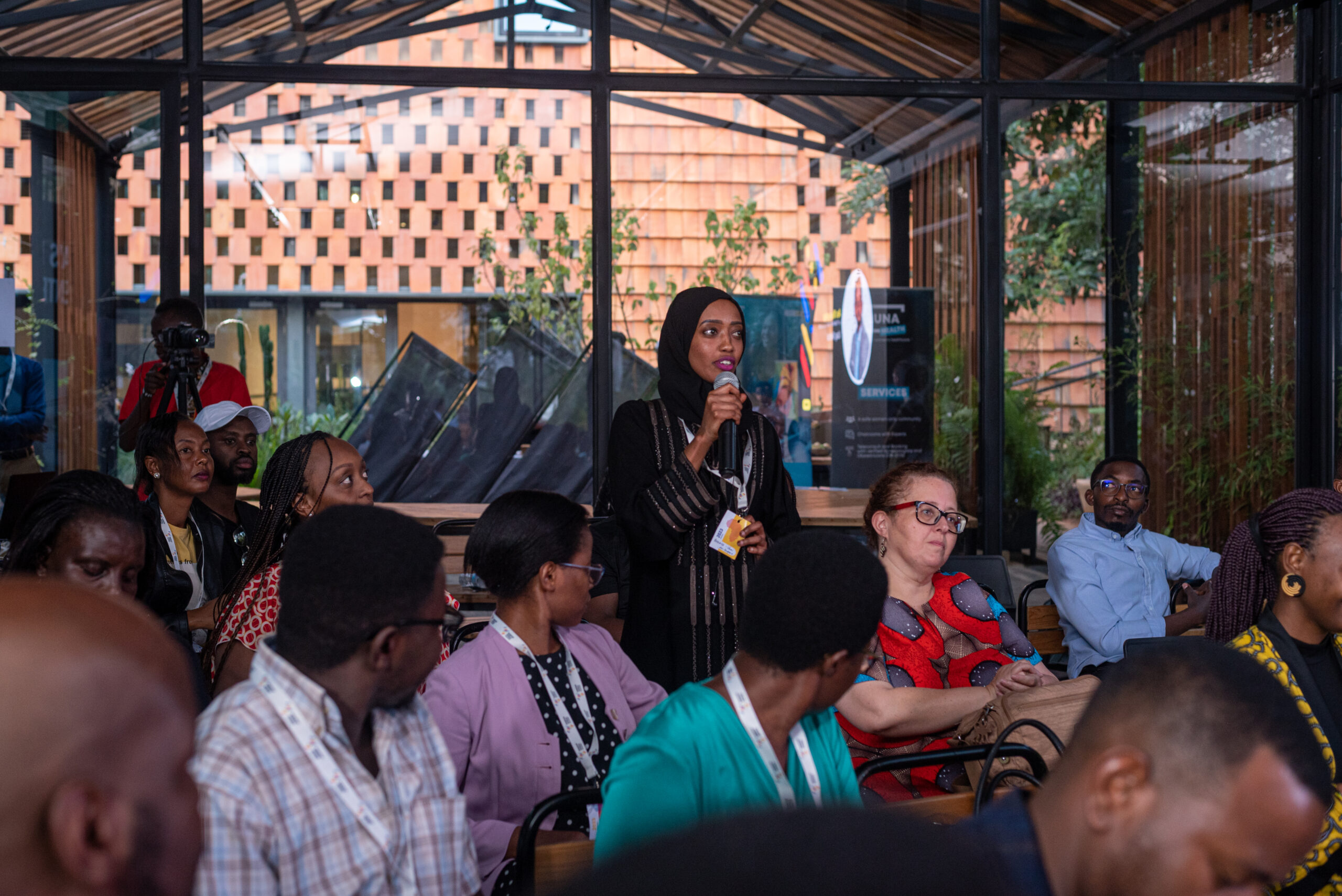
On Wednesday morning, we had the pleasure of giving the stage to Youssuf Ntwali, CEO and co-founder of BAG, for his lecture on team building and resource management, with many questions from the audience, which turned into a beautiful chat and a moment of sharing experiences, doubts, and curiosities. In the afternoon, we revamped a classic of Next Generation Africa: a focus on communication soft skills and public speaking to ensure that one’s message is conveyed as effectively as possible, in the short time available and to different audience targets.

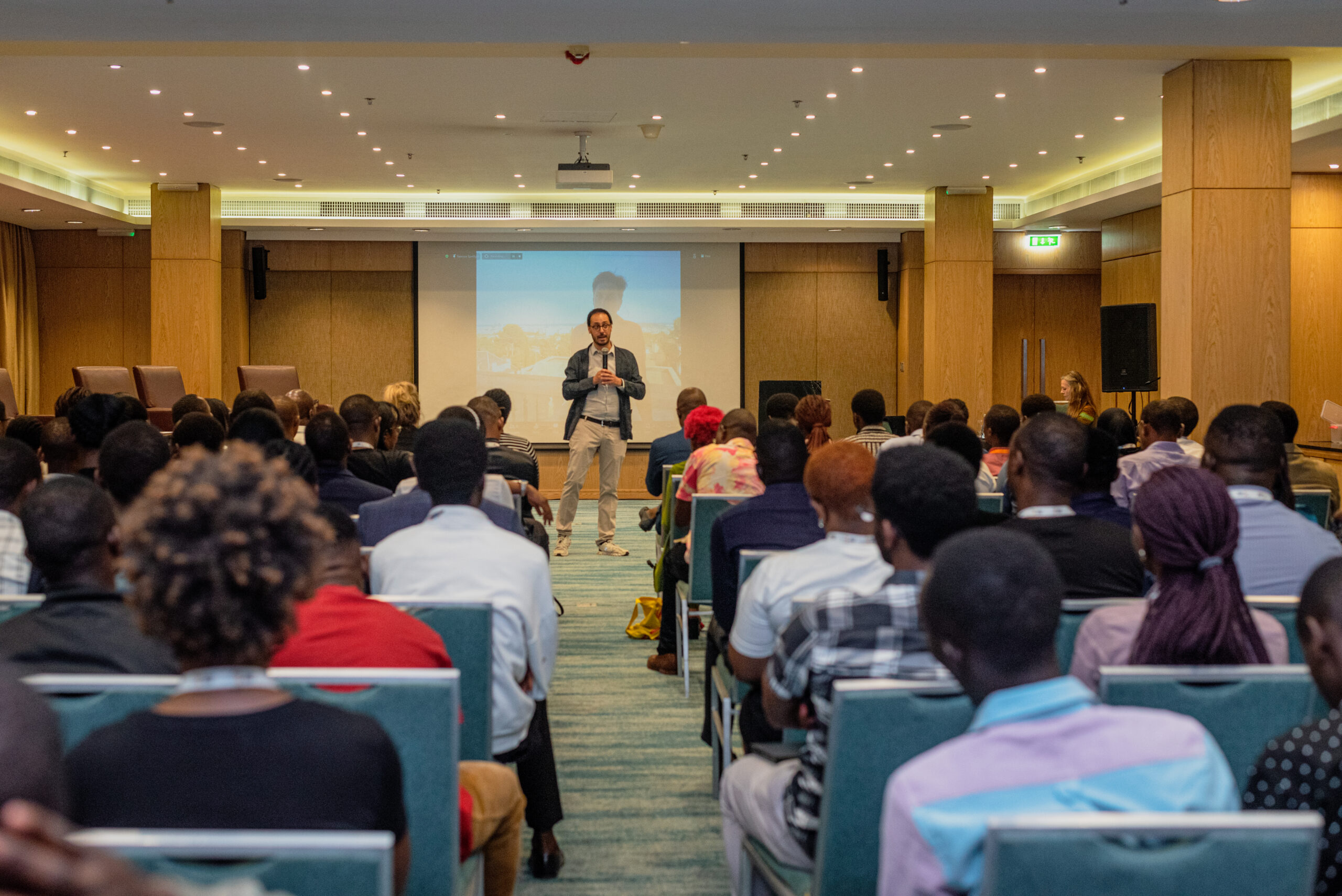
After the daily one-to-one slot, we moved to the conference room of the Marriott Hotel in Kigali, with an audience of over 100 people following the panel organized in collaboration with ESADE Business School of Barcelona. On stage: Giulio Toscani, PHD Digital Strategy Academic at Esade and visiting professor at African Leadership University; Momar Dieng, PhD, Dean of the School of Business at African Leadership University; Kessy Mugabo Kayiganwa, co-founder of IKAMBA Apparel and alumnus of African Leadership University; and Daniel Yin, CEO of SPOUTS International. The discussion focused on the challenges of entrepreneurship in East Africa and its ties with Europe, moderated by our own Davide Rovera.

This thread has guided us until Thursday morning, when we discussed Venture Financing with members of Katapult, Flyzipline, and Angaza Capital. Another discussion that stimulated dozens of questions.

The afternoon session was entirely dedicated to general pitching, key for the selection of the top 10 projects admitted to Friday’s demo day. The selection was very complex, but,  beyond the final prize and the Italian roadshow, we think that the contacts and skills acquired during these days together are really the reward that each of them (and us) will bring with them into the future!

On Friday morning we focused on the pitches of the 10 selected projects and on the set up of the Norrsken Pergola, which was about to host an audience of over 100 people once again. A big thank you goes to the Italian Embassy in Uganda, Rwanda, and Burundi represented by Mario Savona, who opened the event, and to our sponsors who make our activities possible every year: ENI and f2a.

Furthermore, we must also thank all the members of the jury who voted for the startups and in particular the opponents who, in addition to evaluating the pitches, asked questions and shared reflections with the candidates: Junior Kanamugire Bicura of Katapult, Johanna Sandberg of EBCR, Oggy Nduka of GPS Development, Chris Muneza of Angaza Capital, Stanley Mukasa of CMU, Paul Kato of AMI, Olivier Kalisa of 250STARTUPS, Sylvester Jackson Karara of UKC, Chris Irakoze of EzaNeza, and Mauro Martufi of ENI.

We also had the pleasure to host Alex Musyoka, co-founder and COO of Viebeg Medical, who shared his entrepreneurial experience with the audience.

The selection of the 5 projects that will participate in the Italian roadshow in spring 2024 saw the following ranking. In third place, LUNA, a femtech company that provides a secure app to confidentially discuss and get reliable information on women’s mental and physical health. Second place went to Ecoplastile, a startup that transforms plastic waste into ecological, lightweight, and high-performance tiles, guided by the personal experiences of the founder who grew up in the Kibera slum in Uganda. And winning startup was SLS Energy, which ingeniously reused battery cells recovered from electronic waste to re-create functioning backup and energy storage devices for telecommunications towers.

In addition to the top three startups, special mentions in the greentech field include Shambapro, an app that aims to optimize the management for agricultural activities as a whole, and Ubuntu in the education field, a project that provides targeted support for school educators in Africa.

We wish to thank the Rwanda Development Board, Westerwelle Foundation, Kosmotive, FlyZipline, Rwanda Community Abroad – Italy, ALU, VIEBEG, and Africa Climate Ventures for their availability and support! 📹🌟

We are getting ready with renewed energy for the organization of an Italian roadshow that promises to be very exciting!

Click here for more information on “Next Generation Africa 2023“.

“Seeds for Sustainable Energy”: a new initiative to foster agribusiness innovation in Kenya

“Seeds for Sustainable Energy”: a new initiative to foster agribusiness innovation in Kenya

“Seeds for Sustainable Energy”: a new initiative to foster agribusiness innovation in Kenya

We started our exploration of the African innovation ecosystem 6 years ago and every year – thanks to our team of volunteers, our supporters and many local partners – we discover new amazing and resilient entrepreneurs. This time we are going to hold our special bootcamp in Kenya focusing on agribusiness startups.

Agriculture plays a vital role in Kenya’s economy, contributing to 24% of the country’s GDP and providing employment for 40% of its population, while 65% of the agricultural products are exported (Source: FAO 2021). Kenya is also a hub for startups: agri-tech is the second-largest sector after fintech and 308 active startups attracted a total of $1.2 billion in investments in 2022, an increase of 110% from the previous year (source: Disrupt Africa 2022).

To further boost the agribusiness innovation in Kenya, BeEntrepreneurs APS and Joule, Eni School of Entrepreneurship, in collaboration with the Embassy of Italy in Nairobi, decided to launch in february 2023 a new initiative called “Seeds for Sustainable Energy” hosted by E4 Impact Accelerator Kenya. The program aims at scouting 10 of the best startups in East Africa with focus on sustainable and innovative agriculture solutions. In one month, the Call for Startups has collected 202 applications from Kenya and not only, with different levels of new companies: 22% at concept stage, 56% at early & seed stage, 22% at growth stage.


Here below the Top 10 selected Startups with a short description:

  •  Koch Food Waste Management Champions collects waste and processes it into different products, including compost / fertilizer, briquettes and oil;
  • FamerLifeLine Technologies: startup that keep the crops healthy detecting crop pests and diseases before time;
  • Cellubioclag Distilors produces bioethanol fuel from some wild non-food tree plant feedstock (‘Cebioxa’ Cellulosic Bioethanol fuel);
  • DroneCrops Ventures assists farmers in mapping and spraying using drones. DCV crop insights guide the farmers to identify underperforming areas such as those with irrigation issues, nutrient deficiencies, or infestation by pests and  diseases;
  • Farm IT is an AgriTech startup that provides farmers with digital services to improve their livelihoods with three farmer digital services: 1. Crop Mapping mobile technology, 2. Mkulima Plus, and 3. M-tractor;
  • Shamba Pride: CRM, extension, BNPL and market linkage commerce platform which not only solves supply chain bottlenecks but also modernizes these merchants and their customers operations creating a local farming community of improved choice, variety, better prices and transparency;
  • Agrotech Plus: modular, solar-powered walk-in cold rooms that provides 24/7 off-grid storage and preservation for fresh fruits and vegetables. They are installed in markets and farms within the reach of farmers and retailers;
  • Soil Doctors: manufacture Carbon-sink planters, a low-cost, biodegradable product in which trees can grow autonomously without irrigation. The carbon-sink planters are produced by blending rock minerals including olivine with solid waste which is first modified into biochar through pyrolysis;
  • Global Agricultural Solution: supply innovative agrimachinery, do biogas installations and biodigester septic tank installations and offer online biogas courses and learning resources. It’s a revolutionary  digital platform where farmers  can easily  learn and access agrimachinery;
  • Marula Proteen: the startup transforms Africa’s waste into sustainable feed & fertilizer.

Domenica Surace at Joule commented: «Last July Eni launched its first agri-hub in Kenya: an aggregation center where the collection and pressing of oilseeds takes place and from where, last October, the first cargo of vegetable oil has left on its way to Gela’s biorefinery for the production of biofuels. Joule together with BeEntrepreneurs has decided to support this business initiative by launching the “Seeds for Sustainable Energy” call for startups with the aim of identifying innovative solutions and promoting their integration into the biofuel value chain. We know that the entrepreneurial ecosystem of East Africa is very vibrant therefore we expect to find many solutions and to contribute to the creation of synergies and collaborations between local startups and stakeholders involved in the agri-hub in order to generate income opportunities and at the same time to make the business more sustainable thanks to innovation».

The 10 selected startups will have the opportunity to attend 4 days of training and co-planning program in Nairobi at E4 Impact Accelerator, led by BeEntrepreneurs APS and Eni teams. The program will provide mentorship and acceleration through actionable best practices, inspiring talks, and memorable group activities. The ultimate goal is to support the growth of sustainable new businesses and to create a new generation of entrepreneurs.


“Seeds for Sustainable Energy” initiative is indeed a unique opportunity for Kenyan startups to showcase their innovative solutions and help their businesses grow. The program is planned to make a positive impact on the agribusiness sector and help Kenya reach its sustainable energy goals and creating an intercultural cooperation between Italy/Europe and Africa.


Speaking about opportunities of collaboration, Lorenzo D’Amelio, VicePresident & CoFounder at BeEntrepreneurs said «We can’t wait to meet the selected startups and their young  founders. In 2022 Kenya has raised more than 1 billion dollars as investments for startups with an increase of +110% compared to 2021. The average age in Kenya is 19 years, in Europe is 42. These numbers speak by themselves: this Call for Startups is an opportunity for us to learn from the youths and work with new African companies to make an impact on millions of people».

The host of the initiative in Nairobi, E4Impact commented through David Cheboryot – Director at E4Impact Entrepreneurship Centers: «Seeds for Sustainable Energy initiative speaks to the core of what we are doing in Kenya, nurturing and supporting the birth and growth of impact enterprises that are creating real and impactful solutions in their local communities as well as creating jobs and opportunities at the local level; like those in the bio-fuel value chains that are empowering hundreds of small holder farmers».

Click here for more information about “Seeds for Sustainable Energy”.

Europa-Africa Summit

Europa-Africa Summit

Europa-Africa Summit

Il 6° summit tra Unione Europea ed Unione Africana e la visione di Startup Africa Roadtrip

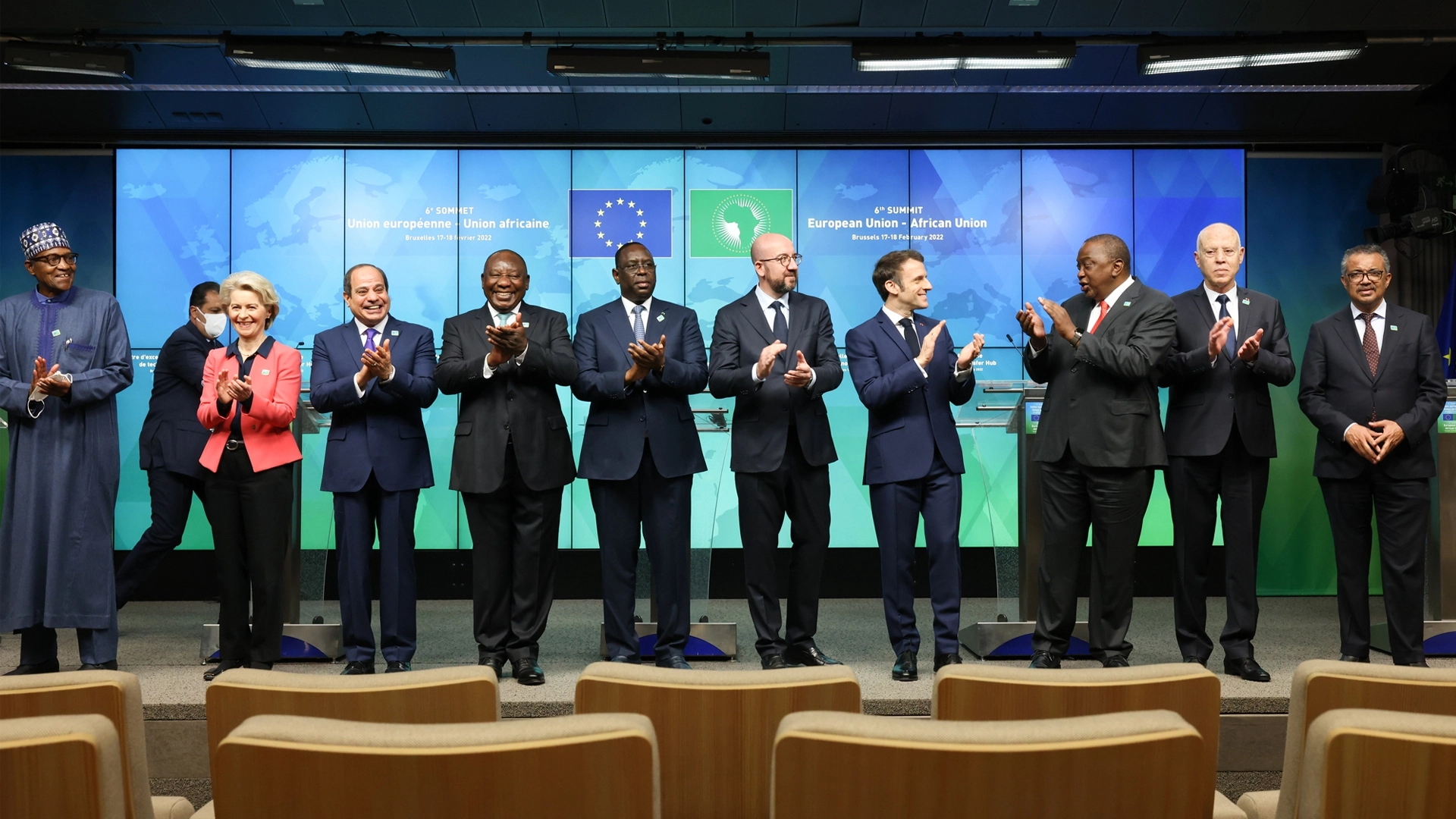
Il 17 e 18 febbraio si è svolto a Bruxelles il sesto vertice tra i capi di Stato dell’Unione Europea e quelli dell’Unione Africana: un’occasione per parlare di futuro, di visioni condivise e di sinergie tra i due continenti. Mai come quest’anno, citando il Presidente del Consiglio Europeo Charles Michel, si è percepito uno spirito nuovo e lungimirante, una vera comunione di intenti che vede finalmente emergere l’Africa come partner chiave e protagonista in ottica futura.

summit eu africa

Noi volontari di Startup Africa Roadtrip siamo stati particolarmente toccati dalle parole di Ursula von der Leyen, in apertura del summit.

Nel discorso della Presidente della Commissione Europea sono stati toccati tanti punti che sentiamo anche un po’ nostri e che nel nostro piccolo, cerchiamo di mettere in luce, giorno dopo giorno, con le nostre attività. Ha parlato chiaramente di come “il più prezioso investimento possibile sia quello sulle persone” e ha raccontato di come a Dakar avesse incontrato “giovani imprenditori che non hanno bisogno di idee di business, perché ne hanno in abbondanza” e di come sia affascinante ascoltarli e proiettarsi insieme a loro verso progetti comuni in cui l’Europa può condividere il suo know-how e la sua tecnologia.

Non é forse questo anche il messaggio di Startup Africa Roadtrip?

Costruire ponti tra Europa e Africa, condividere le nostre competenze per sostenere i progetti dei giovani imprenditori africani, con l’obiettivo di lasciare un impatto duraturo in termini di formazione imprenditoriale e di capitale umano. 

Questo é quello che abbiamo fatto anche lo scorso novembre, durante la settimana di boot camp all’Innovation Village di Kampala. Ci siamo confrontati con i fondatori di 21 startup kenyane e ugandesi su pitching, storytelling, preparazione del business plan e marketing digitale, trasmettendo gli strumenti necessari ai giovani imprenditori locali per ottimizzare la loro idea di startup, renderla appetibile anche per il mercato europeo, attrarre investitori ed essere pronti per affermarsi sul mercato dei capitali. Competenze che, siamo sicuri, saranno capaci di trasmettere a loro volta alle future generazioni di startuppers. 

La Presidente Von der Leyen ha anche citato un proverbio africano che dice “se vuoi andare veloce, vai da solo, ma se vuoi andare lontano, viaggia insieme” per esprimere la visione di due continenti che devono avanzare mano nella mano per migliorare il mondo in cui viviamo ed il nostro futuro condiviso a lungo termine.

Un futuro che nel 2100 vedrà il continente africano avere una popolazione under 25 più alta, in milioni di persone, rispetto a quella degli altri continenti sommati.  Secondo i dati dello scenario centrale delle Nazioni Unite, gli 800 milioni di giovani africani attuali diventeranno circa un miliardo e mezzo, ovvero circa la metà del totale dei giovani del mondo a fine secolo. 

Un capitale umano impressionante con idee, passione, voglia di emergere, che vuole e può essere finalmente decisivo sulla scena internazionale: la Next Generation africana. 

E come avremmo potuto chiamare il programma di accelerazione e mentorship delle startup selezionate per il nostro bootcamp, se non proprio “Next Generation Africa 21-22”? 

La prossima tappa che attendiamo con entusiasmo ed impazienza sarà il roadshow italiano per le startup selezionate dalla giuria del boot camp 2021, tra l’8 e il 13 maggio 2022. Un roadshow che sarà un viaggio immersivo e di contaminazione con l’ecosistema italiano dell’innovazione.  

Foto credits: Summit Ue-Ua © Unione europea

Glossario ugandese per aspiranti volontari

Glossario ugandese per aspiranti volontari

Glossario ugandese per aspiranti volontari

Passare una decina di giorni in Uganda per il nostro boot camp permette anche di avventurarsi per le strade di Kampala e scoprire la città.

Kampala, con i suoi vivaci mercati, i suoi mille colori sgargianti, ma anche quartieri poverissimi come la bidonville di Namuwongo – che sorge letteralmente sopra i binari del treno – e tutti gli usi e costumi della gente che anima la capitale ugandese.

La curiosità del nostro gruppo è sempre stata il motore che ci ha spinto – dopo tante ore di incontri, riunioni e decisioni da prendere – a non fermarci e a conoscere il più possibile la città che i coloni inglesi rinominarono “la collina delle gazzelle” o degli impala per la precisione. 

Questo nome, tradotto in Luganda (vedremo tra alcune righe qualche spiegazione a questo proposito) diventa per l’appunto, Kampala

Nelle nostre passeggiate e durante il nostro soggiorno abbiamo collezionato un glossario, non esaustivo, di termini, espressioni, animali e tanto altro che il lettore potrà trovare qui di seguito.

Buona lettura e perdonate se qualche definizione presenterà alcune licenze poetiche!

ACACIA MALL

Memorizzate questo nome e non dimenticatelo mai più. L’Acacia Mall è il centro commerciale più noto di Kololo, il quartiere del Bushpig. Tutto a Kololo si misura a partire dall’Acacia Mall. Il sole non tramonta ad ovest, ma tramonta dietro l’Acacia Mall. Volete una SIM ugandese? Beh andate all’Acacia Mall. Dovete cambiare soldi? Insomma, avete capito. 

E se invece avete ancora dei dubbi…andate all’Acacia Mall!

BAHA’I

Religione monoteistica creata secondo i precetti di Bahá’u’lláh. Alla base dei suoi insegnamenti vige il concetto di unità. Unità della razza umana ed unità delle religioni, che discenderebbero tutte, benché attraverso messaggeri diversi, da un medesimo Dio universale. Insomma, senza addentrarsi ulteriormente nella teologia, consigliamo una visita al tempio Baha’i di Kampala, chiamando così a raccolta tutti i profeti disponibili, per essere sicuri di non sbagliare, al fine di assicurarsi un “boding” (l’arte di usare il boda) il più sicuro possibile!

BANTU, BUGANDA e mooolto altro

Se abbiamo capito bene, la popolazione ugandese è suddivisa in 4 gruppi etnici di cui quello predominante si chiama Bantu. Ogni gruppo etnico è poi suddiviso in tribù, per un totale di 56! Una delle tribù che storicamente ha avuto importante peso politico è quella dei Baganda, che occupava la regione che oggi comprende anche Kampala e che veniva chiamata Buganda. La tribù dei Baganda parla un dialetto che si chiama Luganda. Insomma, per sintetizzare, i Baganda di Buganda in Uganda parlano il Luganda. Quando lo avrete ripetuto trenta volte senza sbagliare, otterrete il visto per entrare nel Paese.

BODA BODA

Imprescindibile. Questa moto dalla accogliente sella, per due persone di norma, ma anche per polli, scale, sedie, oggetti di antiquariato di vario tipo, secchi di vernice per il cantiere e tutto ciò che vi viene in mente, ha un’altra caratteristica: pare essere indistruttibile. Si posizionerebbe, in una ipotetica scala di resistenza, a metà tra il Nokia 3310 e la Panda. I boda drivers, dopo lunga contrattazione sulle tariffe, si gettano a capofitto tra le strade sterrate di Kampala, evitando buche, tubature, veicoli in contromano (ammesso che un senso di circolazione ci sia) e via dicendo. Su richiesta, proveranno a formare un gruppo compatto per assicurarvi di arrivare alla meta tutti insieme al grido di “Tugende”, ovvero “andiamo!”. Prima di salire su un boda, potrebbe essere una buona idea fare una immersione religiosa in un tempio Baha’i. Vedasi la voce corrispondente per capire il perchè.

BUSHPIG

Il quartier generale di Startup Africa Roadtrip! E molto di più. Questo ostello è il vero punto di ritrovo della zona ed offre le migliori colazioni del quartiere. Basta non avere l’assurda pretesa di mangiare esattamente ciò che si era ordinato! Vedere la definizione successiva.

(LO STAFF DEL) BUSHPIG

next generation africa

Finalmente possiamo dirlo: lo staff di Startup Africa Roadtrip adora quello del Bushpig! L’atmosfera del quartiere generale è un gioioso mix di gentilezza, simpatia, grandi sorrisi e volontà di aiutare tutti, ma proprio tutti. Anche i personaggi più “vivaci” (almeno da orario aperitivo in poi) del nostro team! Ogni tanto però, come tutti gli artisti che si rispettino, i nostri amici del Bushpig ci stupiscono con variazioni sul tema rispetto alle nostre, a volte disordinate, richieste. E come biasimarli dopotutto, noi Mzungu abbiamo spesso bisogno di una mano….. Mzungu hai detto?

MARABOU

Enorme e rumorosissimo uccello che vi sveglierà ripetutamente la mattina molto presto. Come se il vostro compagno di stanza che russa come un trattore (ogni riferimento a persone esistenti o a fatti realmente accaduti è puramente casuale) non disturbi già abbastanza il vostro sonno. Questo incrocio tra una cicogna, un pellicano e probabilmente uno pterodattilo, viene soprannominato “the undertaker” non per la stazza da wrestler, ma per il piumaggio che ricorda la livrea di un becchino. Un meraviglioso segno di buon augurio insomma. Benvenuti!

uganda kampala

MATOOKE

Il matooke (o matoke) è il prodotto della lavorazione dei frutti del platano, simili a grandi banane verdi, che vengono lasciate bollire avvolte nelle foglie della suddetta pianta. Il risultato è simile ad un puré, un po’ più denso, che ha la caratteristica principale di poter accompagnare qualsiasi altra pietanza che possa venirvi in mente. Pollo e matooke, pesce e matooke, frutta e matooke…il matooke sta bene con tutto! E se mai doveste sentirvi un po’ appesantiti dalle generose porzioni locali, non c’è mica problema, hanno inventato il Waragi apposta! Anche qui, vedasi la voce corrispondente per scoprirne il motivo.

MZUNGU

“Hey Mzungu!” vi sentirete chiamare tra le strade di Kampala. E si, staranno chiamando voi! Letteralmente, la parola identifica qualcuno che si guarda intorno o che va in giro senza una chiara idea di quello che sta facendo. Il fatto che oggi identifichi noi uomini dalla pelle bianca fa capire quanto dobbiamo sembrare un po’ strani e con le idee parecchio confuse agli occhi dei locals!

ROLEX

Quando in Uganda sentirete parlare di Rolex, sappiatelo, non vi stanno indicando dove comprare il celebre orologio svizzero. Ma molto di meglio! Questo buonissimo rotolo con uova e vegetali vari avvolti nel chapati si fa sempre apprezzare da chi lo prova. Osservazione divertente: tutti coloro che conoscerete a Kampala sapranno indiscutibilmente indicarvi dove trovare il miglior Rolex della città! Ed incredibile ma vero, non sarà mai lo stesso posto. Questo ci porta ad una inevitabile conclusione: tutti i Rolex di Kampala sono buonissimi!

TERRA ROSSA

Kampala è veramente una tavolozza di colori. La vivacità delle stoffe variopinte, i colori della frutta e le carene scintillanti dei boda boda sono però attenuate da uno strato onnipresente di terra rossa che sembra ricoprire qualunque cosa si muova attorno a voi. Vi si attaccherà alle suole delle scarpe e sarà difficile farla andare via. Che è un po’ quello che succederà anche nelle vostre teste, con i ricordi di questo viaggio che vi accompagneranno per molto tempo!

WARAGI

O “war gin” come lo definivano i coloni inglesi, visto che lo bevevano prima di andare in battaglia. È il distillato nazionale ugandese! La sua composizione varia a seconda della regione e della disponibilità di manioca o banana. Non c’è molto altro da aggiungere, se non che il team Startup Africa Roadtrip appoggia la candidatura del Waragi come prossimo sponsor del bootcamp!

Niente ci può fermare!

Niente ci può fermare!

Niente ci può fermare!

“Dov’è che vai? E a fare cosa?!”

Effettivamente, le reazioni all’annuncio che Kampala ci stesse davvero aspettando, dopo anni di pandemia globale, sono state tutte abbastanza simili. E come meravigliarsi?!

next generation africa uganda

Anche tra noi, riunione dopo riunione, qualche dubbio iniziava timidamente a serpeggiare.

“Oh raga, ma sicuri che andiamo? C’è pure il coprifuoco!” 

Un progetto come Startup Africa Roadtrip, infatti, è un delicatissimo equilibrio di emozioni, personalità diverse e decisioni più o meno razionali da prendere, cercando di remare tutti nella stessa direzione, contro comprensibili timori di ogni sorta e senza mai perdere di vista l’obiettivo finale.

“Presidente, a questa squadra manca l’amalgama!”

“Ditemi dove gioca che lo compro subito!”

Disse l’allora presidente del Catania Calcio, Angelo Massimino, regalando agli annali una delle più clamorose incomprensioni della storia del pallone. Incomprensione che, ancora oggi, ci ricorda quanto lo spirito di gruppo sia decisivo e difficile da trovare in qualsiasi progetto, specie se così ambizioso come il nostro.

Fortunatamente, il collante tra tutti noi, con le nostre esperienze diverse, idee e paturnie, pare che sia l’entusiasmo! Mescolandone in ampie dosi alle nostre personalità si ottiene, infine, questo famigerato amalgama! E senza bisogno di comprarlo! 

Il team di volontari continua infatti a crescere anno dopo anno, con i veterani che consigliano e guidano, i nuovi arrivati che propongono, formando un meccanismo a volte disordinato, ma incredibilmente efficiente e compatto. Grazie al preziosissimo aiuto di sponsors e partners italiani e ugandesi, la nostra “call for ideas” prende un’ampiezza record, le applications continuano a piovere nella cartella mail condivisa, 50…100…300!! E adesso chi se le legge?? 

E così, mentre un team si occupa della comunicazione, altri volontari pianificano chiamate con i papabili candidati, in pause pranzo volanti o prima di andare al lavoro, con ancora il cappuccino davanti. Ogni ritaglio di tempo è prezioso! 

“Hai del dentifricio sulla guancia, fa attenzione! Ok, concentrati. Che domande dovevamo fargli pure?” 

Arriviamo alla prima shortlist, i nostri sponsor la riducono ancora un po’ – fermi tutti – È arrivato un nuovo progetto interessante!Ok rifacciamo un giro di voti, ma che sia l’ultimo! Ma siamo sicuri che lui non lo prendiamo? Eh non è pronto, ma continuiamo a seguirlo che magari lo invitiamo l’anno prossimo!

“Perché l’anno prossimo torniamo vero?!” dice qualcuno.  

Ed ecco che altro entusiasmo si aggiunge, la prospettiva di nuove avventure che cancella ogni stanchezza! 

next generation africa uganda

Ed insomma abbiamo i 21 finalisti! 

21 startup di ragazzi e ragazze, tutti giovani, tutti entusiasti di fare qualcosa per il loro Paese, questa Africa di cui tutti parlano tanto, ma che in pochi conoscono veramente.Ci sono idee per il turismo,per l’agricoltura, per l’healthcare, la mobilità sostenibile, l’economia circolare, la fashion, i diritti civili!

Esatto, 21, perché a ridurle a 20 proprio non ci siamo riusciti! 

E così, chiuso un capitolo, si avanza con il successivo! Non c’è un attimo da perdere, anzi siamo già in ritardo!

Ma alla fine, ci sono otto di noi che dicono che sì, a Kampala ci vanno.

Otto volontari ed un intrepido videomaker, quello che una mattina troviamo disteso per terra a

filmare le nuvole, mentre le persone gli girano intorno con la loro tazza di caffè e lo sguardo perplesso. Perfetto, è matto come noi, di sicuro le riprese saranno fantastiche!

E poi ovviamente ci sono gli altri, non meno importanti, che dall’Italia ci guidano, partecipano, organizzano, con in testa Andrea, i cui sogni ci hanno portati fino a qui!

All’Innovation Village di Kampala, un posto che i giovani imprenditori chiamano “casa”, come riporta con orgoglio il loro sito internet, ci sentiamo un po’ a casa anche noi. La sala c’è, schermo, microfoni, tutto è in ordine, con la vincitrice 2019 che ci accoglie con un gran sorriso, possiamo cominciare! I partecipanti sono arrivati tutti in anticipo!

L’ambasciatore italiano prende la parola, siamo tutti elettrizzati e felici di averlo con noi!

Parte una settimana intensissima, per noi e per loro, si parla di marketing digitale, di come organizzare un pitch, si costruiscono pile di spaghetti e marshmallow, si ascoltano discorsi di chi in Europa ed in Uganda ha già avviato la propria attività con successo.

Insomma, si segue il mantra di Startup Africa Roadtrip, quello che ci ha portato fino a qui: si lavora tutti insieme per creare un ambiente collaborativo, senza barriere, multiculturale, che generi un impatto locale e non solo. 

I ragazzi partono timidi, ma piano piano imparano a conoscerci, siamo praticamente coetanei dopo tutto e allora si sciolgono, ci raccontano le loro esperienze, cosa vuol dire essere una donna ed una imprenditrice in Uganda, che impatto sperano di lasciare, i loro dubbi ed i loro traguardi. 

C’è chi non aveva mai preso l’aereo e che ora è arrivato dal Kenya fino a Kampala, ci sono team misti con europei ed ugandesi che lavorano insieme e poi ci siamo noi, che ogni sera -al ritorno al nostro quartier generale e con qualche birretta celebrativa – ci confrontiamo su quello che potevamo fare meglio, sul programma del giorno dopo e sul demo day che si avvicina. 

Il demo day è nella residenza dell’ambasciatore, che ci farà un altro regalo più tardi, con un aperitivo dai sapori che ci riportano in Italia per un po’ e di cui sentivamo il bisogno! 

Siamo molto fieri, orgogliosi, nessuno lo dice, ma si capisce dai nostri sguardi. Il miglioramento delle presentazioni delle startup è stato impressionante. I quattro vincitori verranno in Italia, con un biglietto premio, per presentare i loro progetti all’ecosistema del nostro Paese.

Ma ognuno dei partecipanti torna a casa con qualcosa di importante, con un bagaglio di conoscenze e di concetti che potranno trasmettere a loro volta. 

È il momento dei saluti, sono finite anche le lasagne e dopotutto c’è il coprifuoco davvero.

Dobbiamo andare via. I saluti sono sempre difficili e ora dopo ora, i nostri smartphones sono inondati da foto, messaggi, ringraziamenti e richieste. 

Dobbiamo andare via. Dai ragazzi non siate tristi, che tanto l’anno prossimo torniamo, no?! 


Pin It on Pinterest